Fujifilm Shadow Tone: Shaping Depth Without Losing the Scene
Understand how Shadow Tone affects dark JPEG areas and why it must be tested with Dynamic Range and exposure.
 Receptree
Applies to: Fujifilm image-quality settings, with menu paths and options checked against the X100VI still-photo manual. Other models and firmware can differ.
Try a look
 Original
Loading preview…
Illustrative preview
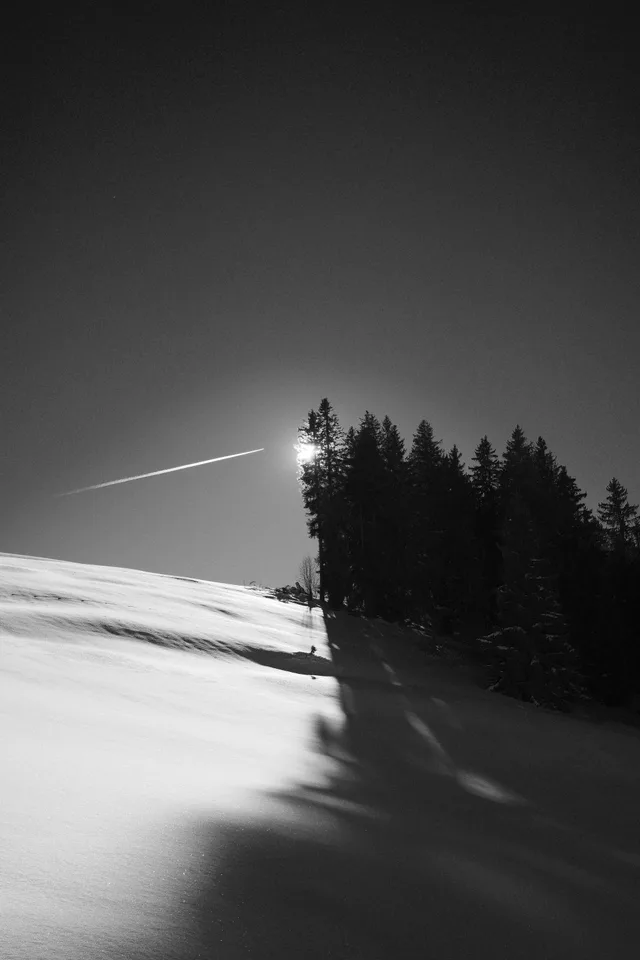
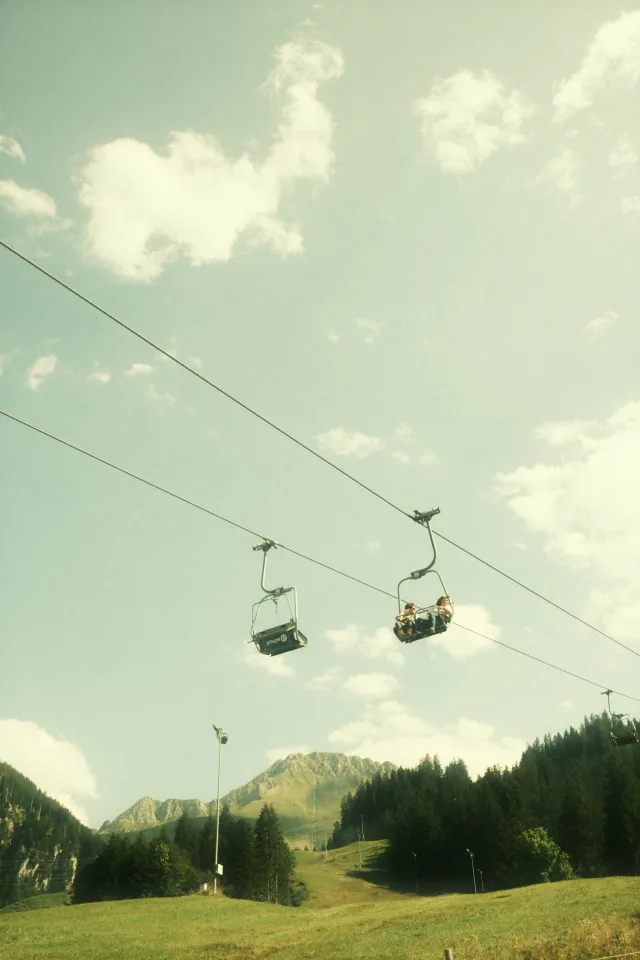
An approximation on an existing JPEG, not an exact Fujifilm camera rendering. Look into the shaded foliage and dark areas beneath the roof. Check texture as well as depth.
What this setting does
Shadow Tone adjusts the character of the dark end of Fujifilm’s JPEG tonal response. It can make shadows feel denser or more open, changing the sense of depth in foliage, clothing, interiors and evening scenes.
Find it on the X100VI
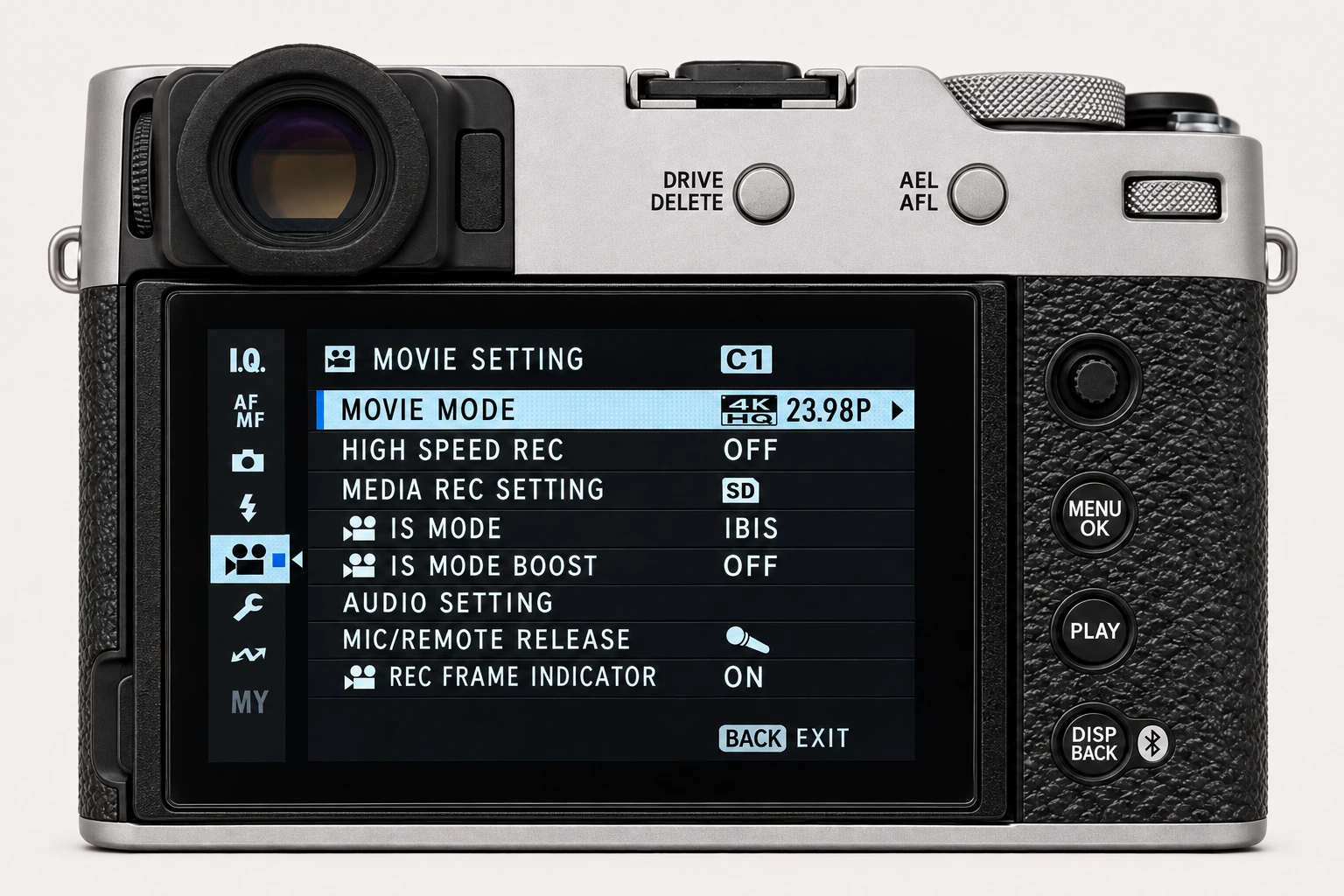
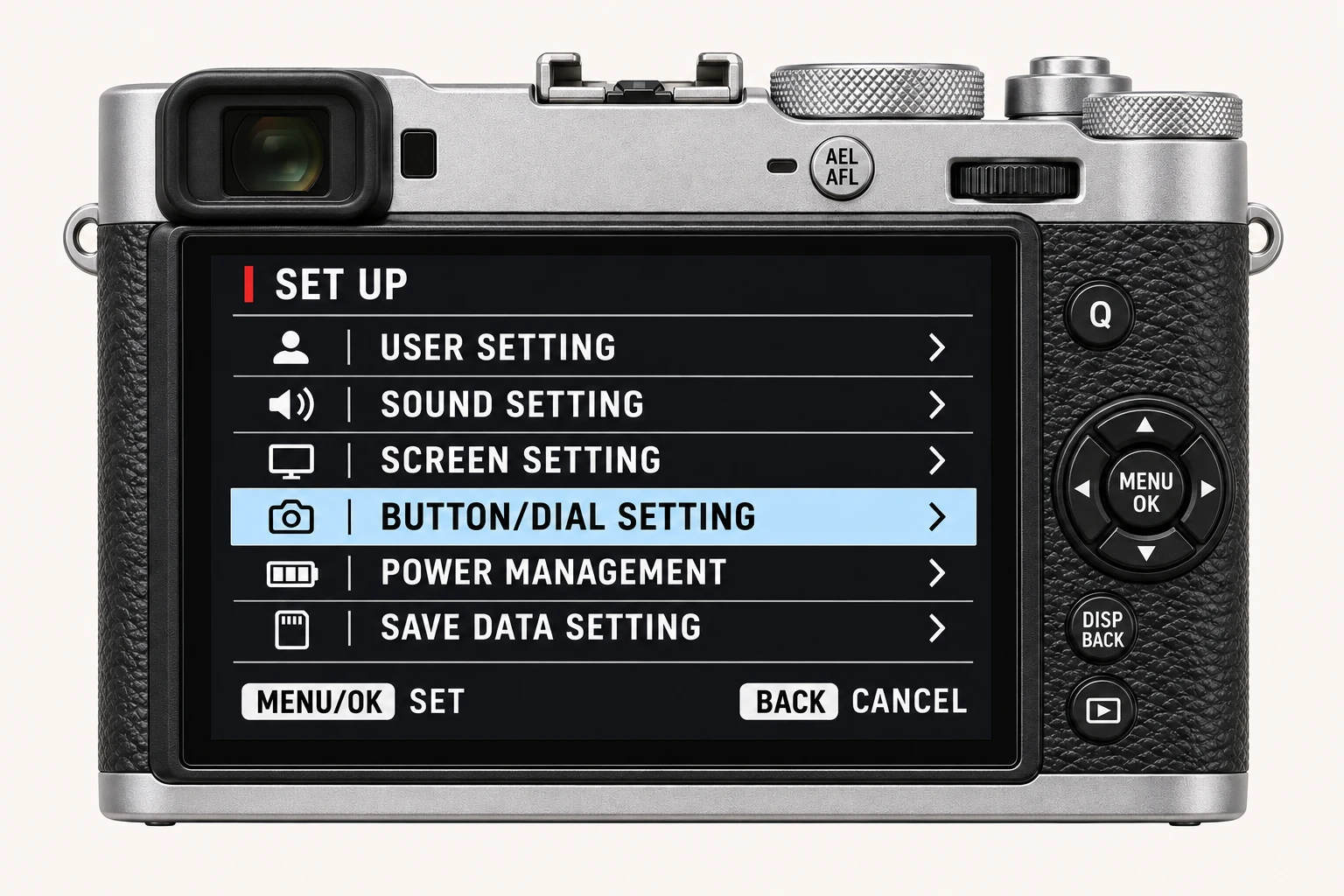
In the still-photo shooting display, open MENU/OK > IMAGE QUALITY SETTING > TONE CURVE > SHADOWS. On the X100VI, Shadow Tone is the Shadows adjustment inside Tone Curve on I.Q. page 2/3. Menu wording and availability can change with firmware, shooting mode and file format.
Options and practical choices
These options refer to the X100VI still-photo menu. Use them as a checked reference for this body; confirm the corresponding choices in the manual for another camera.
| X100VI option | How to use it |
|---|---|
| −2 to +4 | Inside TONE CURVE > SHADOWS on the X100VI. Lower values soften shadows; higher values make them denser. |
When to use it
Use it to define how dark areas should feel after exposure has retained the detail you need.
Common mistakes and interactions
Avoid pushing it to force drama into a scene whose important information already sits in deep shadow.
- Choose exposure and Dynamic Range before judging shadow density, and set D Range Priority Off for manual Tone Curve control.
- Check noise in opened-up dark areas. Shadow tone and High ISO NR solve different problems.
Try a controlled comparison
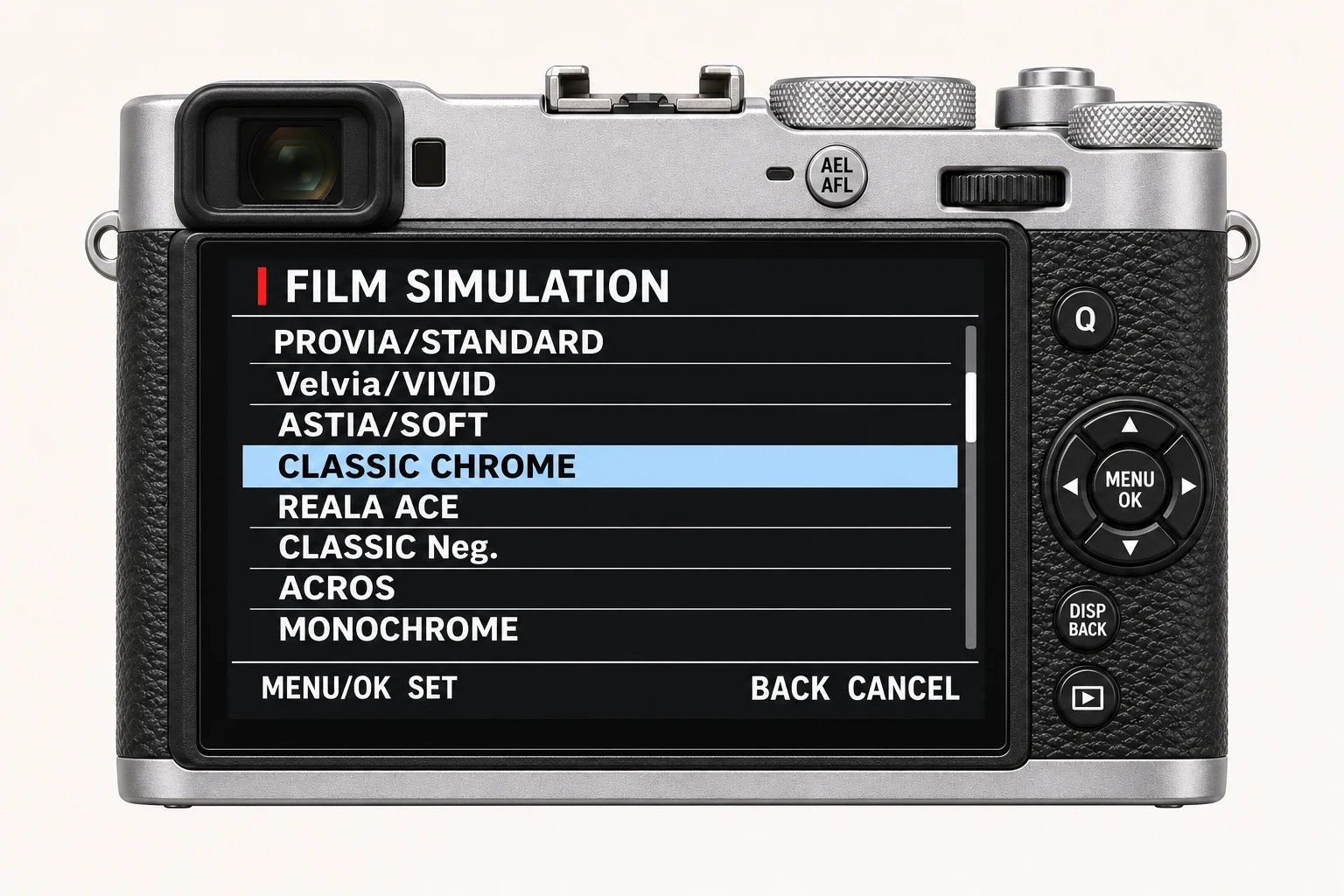
Photograph a scene with textured shadows and midtones. Change only Shadow Tone, then inspect both the feeling and the retained detail. Keep the original files, label the settings and compare at both full resolution and the size you will share. The menu illustration shows controls, not a simulated photographic result.
Using a different Fujifilm camera
Treat the setting as one part of a tone system. Matching the value without matching the scene and exposure is not an exact comparison. The numerical options and menu path above are checked for the X100VI. They are not a compatibility promise for every X Series or GFX body.
Four recipes to try next
Choose a community recipe, check it against your camera and take it into the field.